
News
Find out about the latest news, announcements and stories about environment and society at ANU.
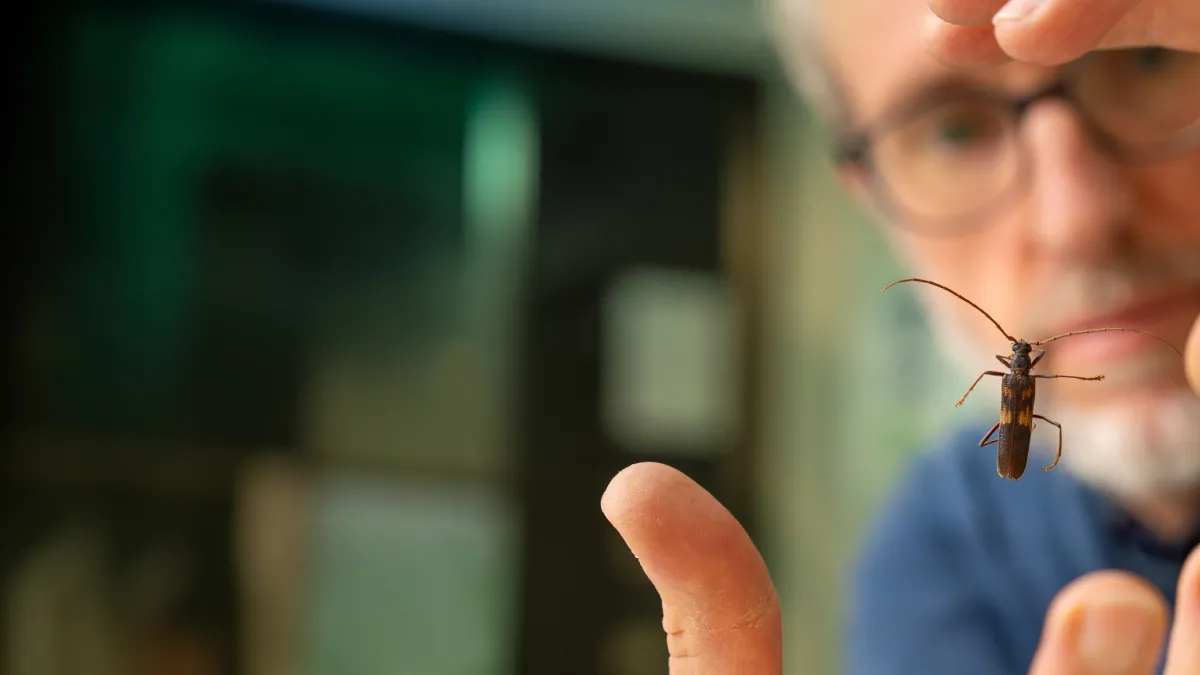
We're going on a beetle hunt
This is a story about what it's like to tackle an entirely new problem, so nothing is easy. Not even catching some beetles.
Let the hunt begin!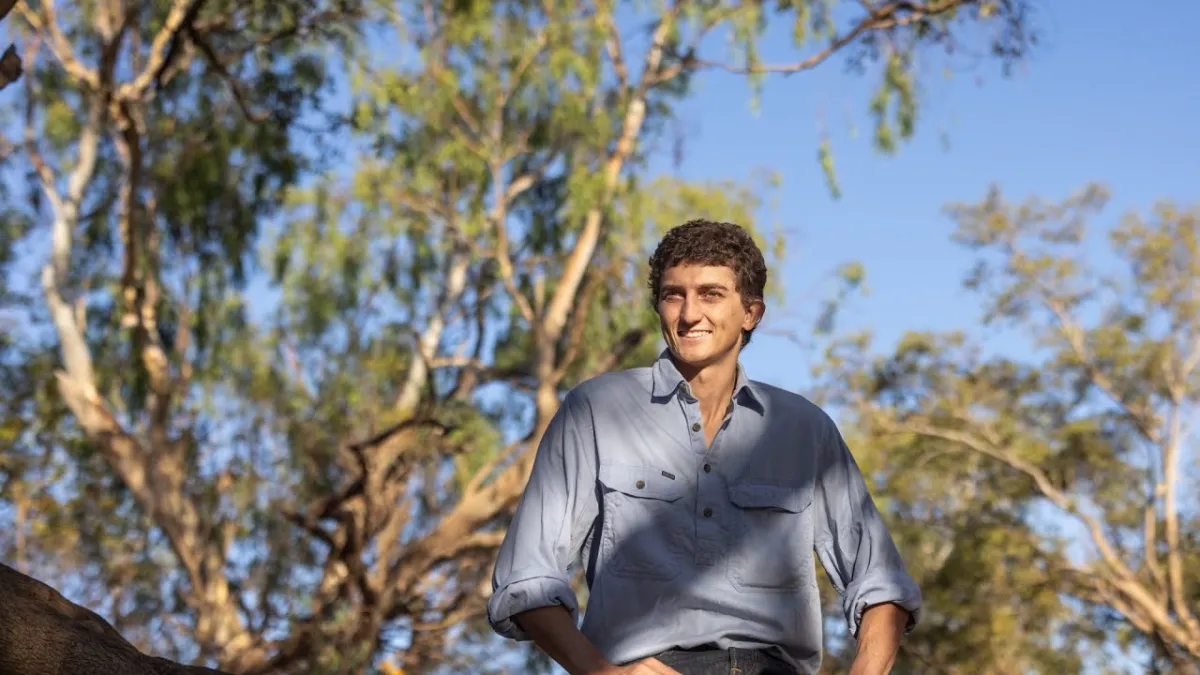
Disability advocate Marcus Dadd: ‘I hope I can inspire people to chase their dreams’
Fenner graduate and disability advocate Marcus Dadd has a passion for inclusive and sustainable practices in agriculture.
Read the story
Australia’s summer weather heats up
Professor Sarah Perkins-Kirkpatrick gives us the run down of what is expected to be Australia's hottest hummer on record.
Find out more.
- Research story
In a study published Feb. 7, 2022, a team of climate scientists mapped out where vegetation is creating the highest fire risks across the western U.S. They were surprised to discover that the fastest rate of population growth by far has been in the areas with the highest fire risk.

- News
Canberra writer Susan Parsons writes about her experience walking with Fenner ecologist Dr Suzi Bondat the Australian National Botanic Gardens to observe butterflies breeding and feeding on plants.

- Education story
Palaeoenvironmental Reconstruction and Palaeoecology reads like a mouthful, but Dr Janelle Stevenson knows that for Undergraduates and Masters students at ANU, it’s a type of scientific, social and geographic study that’s coming back into popularity.

- Research story
Less than 80 years ago, regent honeyeaters ruled Australia’s flowering gum forests, with huge raucous flocks roaming from Adelaide to Rockhampton. Now, there are less than 300 birds left in the wild. Habitat loss has pushed the survivors into little pockets across their once vast range.

- Research story
From tracking down hard-to-find owls to protecting bats, there’s nothing Zorro the detection dog can’t do.
- News
If a river could speak, what would it tell you? Climb aboard and be prepared to get wet.
- Research story
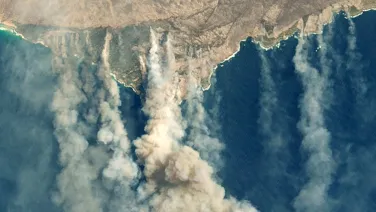
As climate change worsens, bushfires are likely to become more intense and frequent. We must find new ways of managing bushfires to prevent catastrophic events - satellite data can help in this task.

- Research story
With the eyes of the world on COP26, researchers from The Australian National University (ANU) say the broader environmental and social implications of extreme emission reduction schemes need to be taken into account.

- Research story
Australia needs to overhaul how overabundant kangaroos are managed, rather than letting them starve or be culled as pests, according to an expert from The Australian National University (ANU).