

Forests & fire
About
Forests provide ecosystem services that are critical to humans and the sustainability of our environment. Our research focuses on management of critically important native forests and woodlands, including forest ecology, landscape restoration, wildlife conservation, ecologically sustainable forestry, and the effects of fire and climate.
Projects
Members
Affiliate

Honorary Senior Lecturer

Honorary Associate Professor

Emeritus Professor

Honorary Senior Lecturer
Academic staff

Senior Lecturer

Professor
Deputy School Director
Associate Director (Research)

Research Fellow

Professor

Professor

Professor
Executive committee
Professor
Deputy School Director
Associate Director (Research)
Student

PhD Student
News

As coal-fired climate change makes bushfires in Australia worse, governments are ramping up hazard-reduction burning. But our new research shows the practice can actually make forests more flammable.

In a study published Feb. 7, 2022, a team of climate scientists mapped out where vegetation is creating the highest fire risks across the western U.S. They were surprised to discover that the fastest rate of population growth by far has been in the areas with the highest fire risk.

As climate change worsens, bushfires are likely to become more intense and frequent. We must find new ways of managing bushfires to prevent catastrophic events - satellite data can help in this task.

Only one in five people sought medical attention but half reported anxiety, depression and sleep loss.

For the first time, the public will be able to track the health of those two key conservation areas as part of a $10 million program to boost science and park management.

If you’ve wandered through a forest, you’ve probably dodged dead, rotting branches or stumps scattered on the ground. This is “deadwood”, and it plays several vital roles in forest ecosystems.
Events
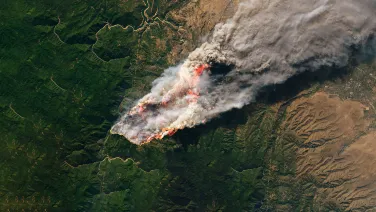
Discover how cutting-edge technologies, from satellites and drones to sensor networks and fuel moisture monitoring, are transforming early bushfire detection and helping identify fire risks before they ignite.
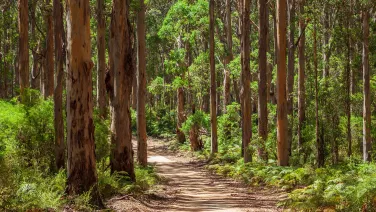
As forests face increasing environmental uncertainty, this seminar examines new approaches to building resilience, supporting adaptation, and preparing the next generation of forestry professionals.