
Field sites
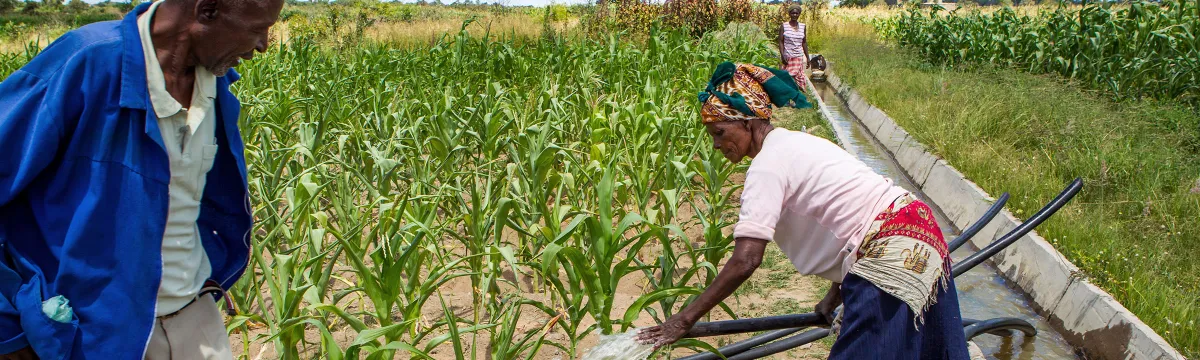
Photo by Andre van Rooyen.
This project works directly with at least farming communities in the three countries to implement circular food systems (CFS) that increase socio-economic benefits. The approach starts by creating a solid foundation through comprehensive surveys of farming households and businesses to track progress. A primary focus is nurturing and developing local, farmer-led enterprises by identifying potential CFS businesses alongside communities using existing Agricultural Innovation Platforms. To build the necessary skills, the project provides "Training of Trainers" in areas like business development, financial literacy, and leadership.
The initiative is dedicated to advancing sustainable agriculture within these communities by offering hands-on training to farmers and livestock keepers. This includes teaching innovative techniques like intercropping maize with Mucuna for better fodder and establishing demonstration plots for high-yield grass, all with the goal of helping farmers build profitable livestock businesses. The project ensures inclusive development by conducting assessments to actively integrate underserved groups within farming communities, such as women, youth, and the elderly. It also empowers farmers by training them on the importance of record-keeping using dedicated farmer field books. Finally, the project's research informs national policies, highlighting areas where CFS principles can be integrated to benefit these farming communities on a larger scale.
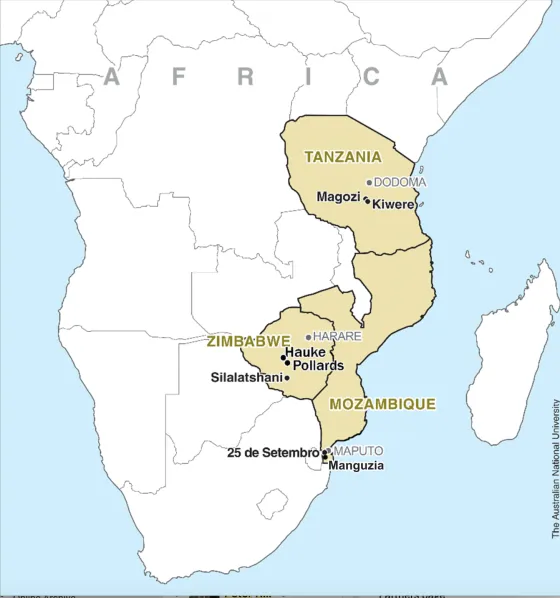
Country Briefs.
For further information about each country, including more detailed maps, and examples the small businesses that are being supported through CFS are available from the following links: